IN/SECURITIES

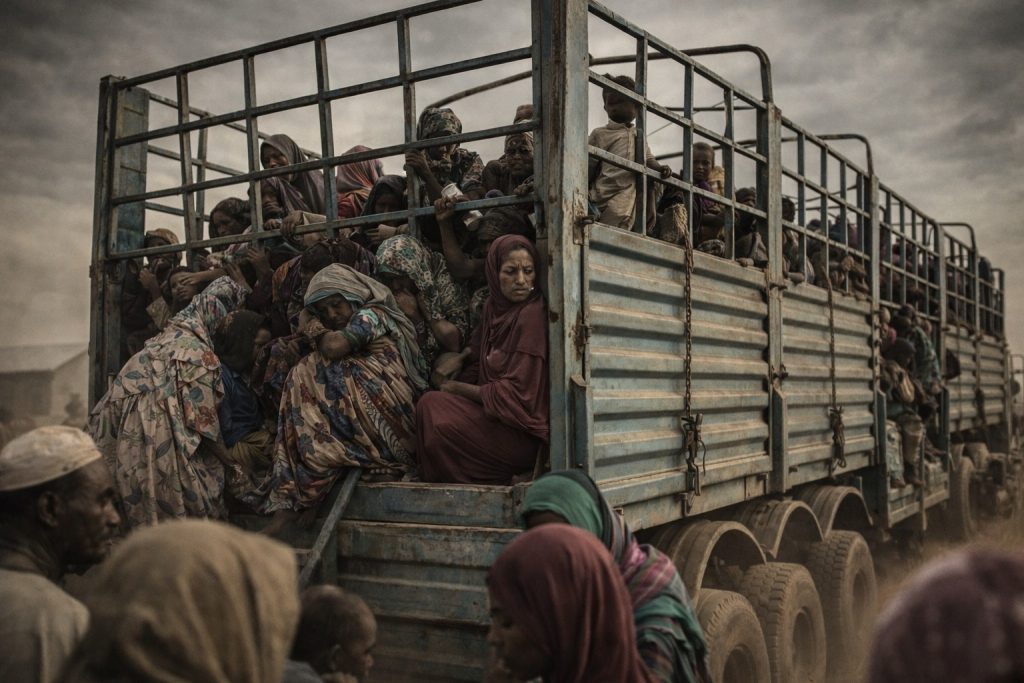
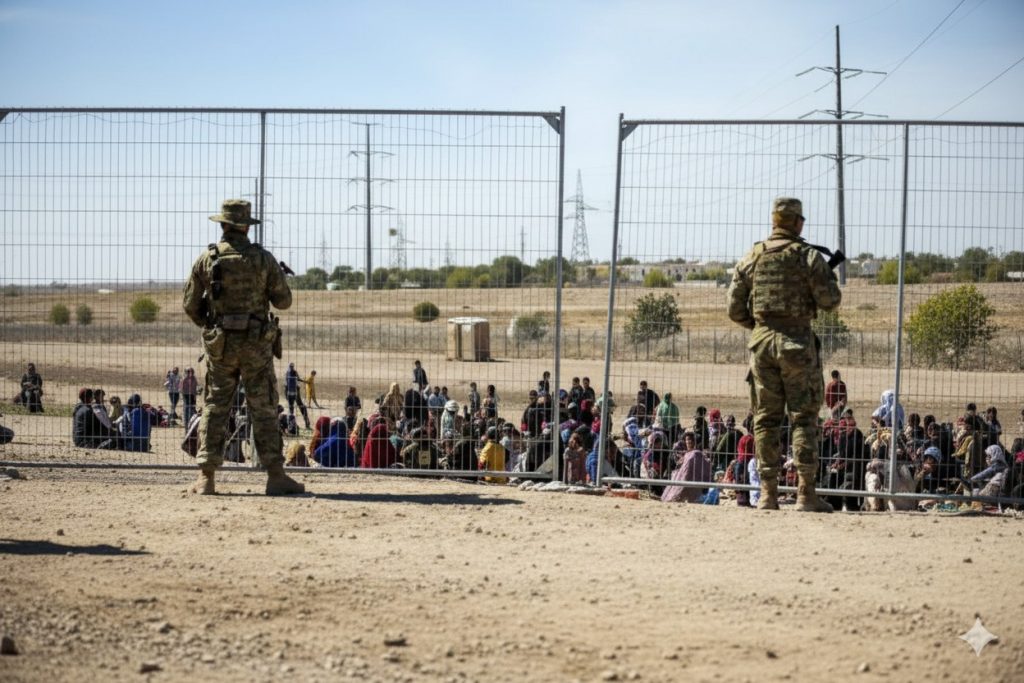
The RS seeks to answer the following core questions, with an emphasis on highlighting conflictual, power-laden aspects in response: How are in/securities experienced? How do they impact practices of world-making? How are quotidian and academic knowledges produced about in/securities? On a broader level, how are experiences of in/security variously distributed, within a given social context; in and across localities; or in transnational social worlds in the making? How do collective experiences of in/security constitute social hierarchies, or a sense of groupness through which such hierarchies are contested, consolidated or transformed? What forms of mediation are practiced across divides to create or maintain peaceful worlds? 
The study of in/security in Africa has for the most part taken place against the backdrop of relative stability in the so-called Global North. This may be one of the reasons for the exoticisation that often accompanies analyses of violent conflict in Africa, and its causes: analytical concepts such as ‘neopatrimonialism’, ‘political ethnicity’, or ‘failed state’ are not so frequently considered as valuable to apply outside the continent, but they have been used in much explanatory work that routinely theorised Africa as a deviation from the norm (Mamdani, 2020; Mbembe, 2024; Mkandawire, 2002). Today’s context necessitates new perspectives, with a focus on the globally cross-cutting nature of in/securities, mediations and peacemaking.
The objective is to situate African in/securities within a globally relational analytical framework whose present and history are deeply entangled (French, 2021). The ‘African future of the world’, as Mbembe puts it, relates to the fact that ‘the great questions of the century, those that challenge the human race most immediately, are posed with the utmost urgency and acuteness’ in Africa (Mbembe, 2024, p. 5). The RS lines of inquiry will be further developed within trans- and intracontinental research network, in close exchange with our RSs Digitalities, Ecologies and Accumulation.

Spokesperson:

Joschka Philipps Joschka.Philipps@uni-bayreuth.de

Members:

AMRC Bayreuth: Martin Doevenspeck, Jana Hönke, Melina Kalfelis, Joschka Philipps, Adam Sandor, Biruk Terrefe, Billian Otundo

AMRC Lagos: Peter Oni, Moses Yakubu, ‘Kayode Eesuola

AMRC Moi: Hassan Ndzovu

AMRC Ouagadougou: Zakaria Soré, Yacouba Banhoro

AMRC Rhodes: TBD

Other: Linda Darkwa (University of Ghana), Kamal Donko (LASDEL Parakou), Joseph Kasule (MISR, Makerere University