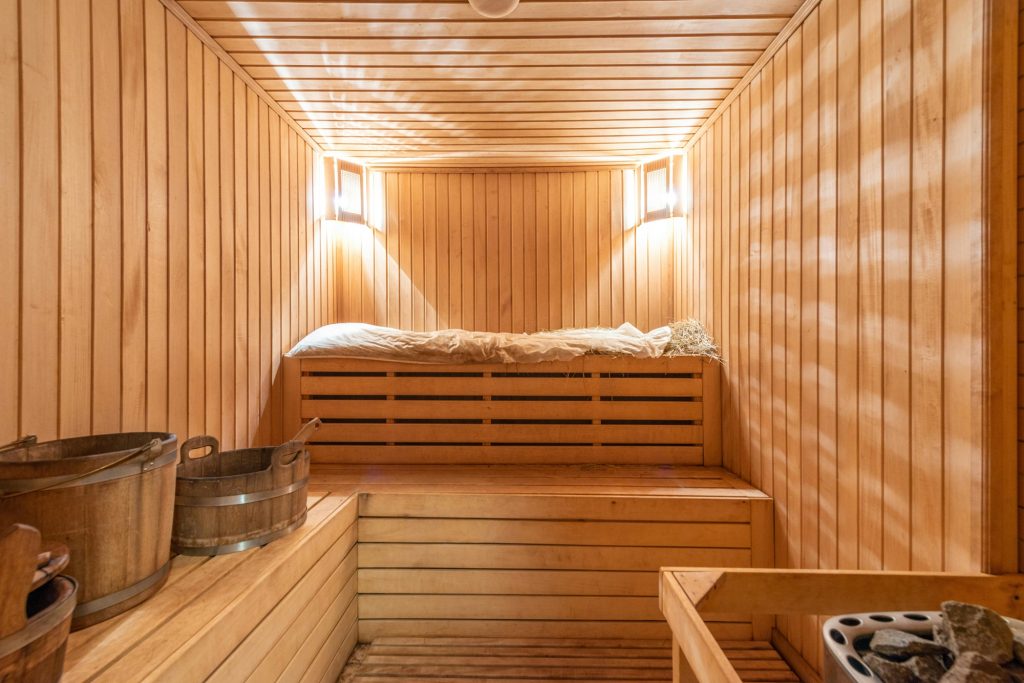
I spent two months in Kenya, at the MOI University-African Cluster Centre researching different themes in African Traditional Medicine (ATM). Some part of my time was spent with the Maasai and that confirmed the reality of diseases and traditional responses to these diseases. It also confirmed that treatment varied from place to place, as the treatment for malaria among other diseases varied from communities in Nigeria to communities in Kenya. More fascinating in my finding is the EVOLUTION of diseases and treatment. The Maasai represent the traditional space in my research while Eldoret ‘city’ represents the urban space in my research. Some of the diseases found in the urban spaces have evolved and now require treatments that will respond to them. This reality created the need for the study of the emerging traditional care in the form of the HERBAL SAUNAS (HS) in the ‘city’ of Eldoret. Unlike what is found among the Maasai, the people in the urban space now contend with diseases such as Diabetes, High blood pressure, weight concerns, etc. These diseases are also becoming resistant to the popular Western form of care as the users of HS leave the Western prescriptions in search of the traditional ones. Out of curiosity, I did a pilot study in Kenya among the users of the HS. There were three Herbal Sauna facilities selected, and fourteen patients were observed from the selected Herbal Sauna facilities around Eldoret, in the Uasin Gishu County. The patients comprised of seven males and seven females who had been using the Herbal Sauna for over six months, these patients were randomly selected. The number of patients was limited to fourteen given availability of patients willing to consent to having their cases documented. This number was used because this is a pilot study in view of a larger research. Questionnaires were shared and these were filled with the consent of respondents. The questionnaires covered the patients’ biodata, condition before the use of Herbal Sauna, condition at the time of interview, observable changes after the use of the herbal saunas, and how the observed changes were measured. The questionnaires were administered and collected with the help of nurses working in the facilities. The data was analysed using a simple table. Data was further analyzed using content analysis. The findings were as fascinating as my curiosity. I interviewed Mr. Richard Koskei Beredi, the owner of the Balneotherapy Herbal Sauna. He got the sauna technology from Turkey, but the knowledge of herbs is from his mother, Mama Esther Obilo. What the HS provides is the possibility of breathing in a mix of the herbs to take care of whatever a person has.” (Koskei, 2024). So, fourteen users of the HS agreed to share their experiences to show the effect and possible dangers of the HS. These participants were selected based on their frequent use of the herbal sauna, they had used the HS for about six months, and three facilities were selected in Eldoret environ. about six months, and three facilities were selected in Eldoret environ. Categories of participants There were 5 participants who were between the ages of 20 and 40, and 9 of them were 41 and above. This is very significant as it gives insight into the age groupings of herbal sauna users. There are 5 with tertiary education, 6 with secondary school education and others did not respond. 12 of the users use the HS between two and three times a week and two of the respondents use the HS once a week. There are 13 who are Christians and 1 Muslims. There were 14 respondents, seven males and seven females. Herbal Sauna (HS) findings 11 of the respondents had Pre-Existing Health Conditions (PEHC), and 3 without visible health conditions. 12 were not referred to HS by Western trained medical Drs. and 2 were referred by Western trained medical Drs. Among the users, 4 had skin conditions, 1 Blood Pressure issues, 4 had weight issues, 1 had insomnia, 3 wanted a general improvement on health conditions, 1 had diabetes, 4 had asthma/allergy. It is important to state that some users had more than one condition that took them to the HS. *I also participated in five HS sessions, and in my discussions with participants, they said in addition to the listed conditions, that skin conditions were resolved. 14, which means all the users noticed a positive effect of the use of the HS. 3 said the effect was significant, 7 said very significant, and 4 said issues were resolved. 7 users of the HS linked the effect to visible signs, 2 linked it to what they feel, 2 linked it to the result of medical tests, 1 linked it to Western trained Dr’s conclusion. 3 of the respondents said they experienced some side effects when they used the HB, however, this was linked to first users and the positive effect of the HS. The side effects include 3 who had headache, 2 who vomited, 1 had diarrhea, and 1 experienced dizziness. It is also important to note that a patient could have experienced more than one of the side effects as first time users of HS. All the 14 respondents said that they will recommend the use of HS to others, this means that those that had the side effects are recommending the use of HS. Implication of evolution of diseases and traditional treatments of these diseases. This study concludes that there is either an evolution of new diseases, or a new understanding of disease as was noticed in the difference in the classification of common diseases between the Maasai and those in the urban space in Eldoret. The HS is responding to the new understanding and evolution of diseases. The patronage shows either failure or inadequacy in the Western methods and a search for alternatives in traditional medicine. The increased patronage also shows the efficacy of the HS. My interview with Mr. Richard and the fact that only 2 of the 14 users